
Understanding gambling addiction Signs to look out for and how to seek help
Understanding gambling addiction Signs to look out for and how to seek help
What is Gambling Addiction?
Gambling addiction, often referred to as compulsive gambling, is a behavioral disorder characterized by an uncontrollable urge to gamble despite the negative consequences. This addiction can lead to severe financial, emotional, and social problems. Individuals affected often find themselves unable to stop gambling, which can escalate from casual gaming to a full-blown addiction, impacting their everyday lives. Recognizing that gambling can start innocently is crucial; what begins as a recreational activity can quickly spiral into a harmful obsession. Additionally, those interested in online gaming might find that platforms like online casino FSCasino offer a myriad of games that can further draw players into this cycle.
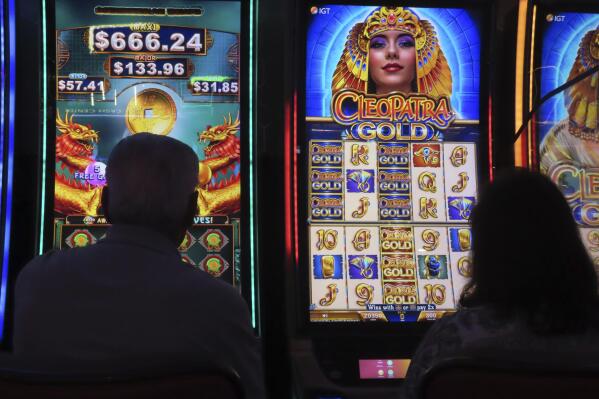
This condition not only affects the individual but also has profound effects on families and communities. Relationships can strain under the pressure of financial instability and secrecy surrounding gambling activities. Understanding the psychology behind gambling addiction is essential to identify the signs and understand its impacts. It is crucial for friends and family to be vigilant and supportive, ensuring that loved ones are not left alone in their struggles.
Gambling addiction can manifest in various forms, including betting on sports, poker, and online casino games. Each of these forms may provide a different rush, but they share a commonality: the potential for uncontrollable urges. This addiction can grow progressively worse, often requiring professional intervention. The next step is to identify the signs that indicate someone may be dealing with this disorder.
Signs of Gambling Addiction
Recognizing the signs of gambling addiction is critical for timely intervention. One of the most prominent signs is the preoccupation with gambling activities, where individuals frequently think about past gambling experiences or plan future bets. This obsessive thinking can consume a person’s time and mental resources, leading to neglect of responsibilities at work or home. If someone is spending excessive hours gambling, it may indicate that the thrill has taken over their life.
Another telltale sign is financial distress caused by gambling. Individuals may borrow money, run up credit card debts, or even resort to illegal means to fund their gambling habits. Frequent attempts to cut back or quit gambling, followed by relapses, also signify an addiction. It is important to pay attention to changes in behavior, such as increased secrecy around finances or sudden changes in mood related to gambling outcomes.
Additionally, a person with a gambling addiction may experience significant mood swings. They might show signs of irritability, depression, or anxiety, particularly when not gambling. This emotional instability can further alienate friends and family, making it easier for the addiction to flourish unchecked. Recognizing these signs early can facilitate support and help the individual seek the necessary assistance.
Consequences of Gambling Addiction
The consequences of gambling addiction can be devastating and far-reaching. Financial ruin is often the most immediate outcome, leading to crippling debt and loss of assets. Individuals may lose their jobs, face bankruptcy, or even experience legal troubles due to fraudulent activities committed in a bid to fund their gambling. This financial burden often creates a cycle of shame and secrecy that perpetuates the addiction, trapping individuals in a downward spiral.
On an emotional level, gambling addiction can lead to severe mental health issues, including anxiety, depression, and suicidal thoughts. The isolation often felt by individuals struggling with this addiction can exacerbate these feelings, leading to a disconnect from family and friends. Relationships may suffer irreparable damage, resulting in breakdowns in communication and trust. The overall impact can leave individuals feeling hopeless and powerless.
Moreover, the effects of gambling addiction extend beyond the individual to those around them. Family members may experience stress, financial strain, and emotional turmoil. Children in these households are particularly vulnerable, as they may absorb the distress without understanding the underlying issues. Addressing gambling addiction is not just about the individual; it requires a holistic approach that involves families and communities to mend the damage done by this disorder.
How to Seek Help for Gambling Addiction
Seeking help for gambling addiction is a courageous and essential step towards recovery. The first course of action should be admitting that there is a problem. This self-realization can pave the way for effective treatment options, ranging from counseling to support groups. Professional therapy can provide individuals with coping strategies and tools to manage their urges effectively. Cognitive Behavioral Therapy (CBT) has proven particularly effective in treating gambling addiction, helping individuals to identify and change their thought patterns.
Support groups, such as Gamblers Anonymous, can offer invaluable assistance by connecting individuals with others who understand their struggles. These groups provide a sense of community and accountability, making the road to recovery less isolating. It is vital to understand that recovery is a process, and it can involve setbacks. Being part of a supportive network can help individuals navigate through these challenges while reinforcing their commitment to change.
Additionally, some may benefit from medication that targets underlying issues like anxiety or depression, which can be contributing factors to their gambling behaviors. Consulting with healthcare professionals can lead to a tailored approach that addresses both the addiction and any co-occurring mental health issues. The journey to recovery often requires a multi-faceted approach, combining therapy, community support, and personal commitment.

Resources and Support Available
Numerous resources are available for individuals seeking help with gambling addiction. Many organizations provide information, support, and treatment programs. Local healthcare providers can often recommend specialized therapists and addiction services. It’s essential for individuals to have access to these resources to ensure they receive the right support tailored to their needs. Online forums and hotlines also provide immediate assistance, allowing individuals to reach out for help at any time.
In addition to professional help, online communities can offer support and a sense of belonging. These platforms allow individuals to share experiences, challenges, and victories in a safe environment. Additionally, educational resources can help individuals better understand gambling addiction, enabling them to make informed decisions about their treatment options. The journey toward recovery is often enriched by the guidance and wisdom shared within these communities.
Websites dedicated to gambling addiction awareness often feature articles, testimonials, and resources that can be incredibly helpful for both individuals and their loved ones. Understanding the depth of gambling addiction, along with available resources, can create a robust support system essential for recovery. By taking the first step toward seeking help, individuals can reclaim their lives and work towards a healthier, more balanced existence.
Understanding gambling addiction Signs to look out for and how to seek help
What is Gambling Addiction?
Gambling addiction, often referred to as compulsive gambling, is a behavioral disorder characterized by an uncontrollable urge to gamble despite the negative consequences. This addiction can lead to severe financial, emotional, and social problems. Individuals affected often find themselves unable to stop gambling, which can escalate from casual gaming to a full-blown addiction, impacting their everyday lives. Recognizing that gambling can start innocently is crucial; what begins as a recreational activity can quickly spiral into a harmful obsession. Additionally, those interested in online gaming might find that platforms like online casino FSCasino offer a myriad of games that can further draw players into this cycle.
This condition not only affects the individual but also has profound effects on families and communities. Relationships can strain under the pressure of financial instability and secrecy surrounding gambling activities. Understanding the psychology behind gambling addiction is essential to identify the signs and understand its impacts. It is crucial for friends and family to be vigilant and supportive, ensuring that loved ones are not left alone in their struggles.
Gambling addiction can manifest in various forms, including betting on sports, poker, and online casino games. Each of these forms may provide a different rush, but they share a commonality: the potential for uncontrollable urges. This addiction can grow progressively worse, often requiring professional intervention. The next step is to identify the signs that indicate someone may be dealing with this disorder.
Signs of Gambling Addiction
Recognizing the signs of gambling addiction is critical for timely intervention. One of the most prominent signs is the preoccupation with gambling activities, where individuals frequently think about past gambling experiences or plan future bets. This obsessive thinking can consume a person’s time and mental resources, leading to neglect of responsibilities at work or home. If someone is spending excessive hours gambling, it may indicate that the thrill has taken over their life.
Another telltale sign is financial distress caused by gambling. Individuals may borrow money, run up credit card debts, or even resort to illegal means to fund their gambling habits. Frequent attempts to cut back or quit gambling, followed by relapses, also signify an addiction. It is important to pay attention to changes in behavior, such as increased secrecy around finances or sudden changes in mood related to gambling outcomes.
Additionally, a person with a gambling addiction may experience significant mood swings. They might show signs of irritability, depression, or anxiety, particularly when not gambling. This emotional instability can further alienate friends and family, making it easier for the addiction to flourish unchecked. Recognizing these signs early can facilitate support and help the individual seek the necessary assistance.
Consequences of Gambling Addiction
The consequences of gambling addiction can be devastating and far-reaching. Financial ruin is often the most immediate outcome, leading to crippling debt and loss of assets. Individuals may lose their jobs, face bankruptcy, or even experience legal troubles due to fraudulent activities committed in a bid to fund their gambling. This financial burden often creates a cycle of shame and secrecy that perpetuates the addiction, trapping individuals in a downward spiral.
On an emotional level, gambling addiction can lead to severe mental health issues, including anxiety, depression, and suicidal thoughts. The isolation often felt by individuals struggling with this addiction can exacerbate these feelings, leading to a disconnect from family and friends. Relationships may suffer irreparable damage, resulting in breakdowns in communication and trust. The overall impact can leave individuals feeling hopeless and powerless.
Moreover, the effects of gambling addiction extend beyond the individual to those around them. Family members may experience stress, financial strain, and emotional turmoil. Children in these households are particularly vulnerable, as they may absorb the distress without understanding the underlying issues. Addressing gambling addiction is not just about the individual; it requires a holistic approach that involves families and communities to mend the damage done by this disorder.
How to Seek Help for Gambling Addiction
Seeking help for gambling addiction is a courageous and essential step towards recovery. The first course of action should be admitting that there is a problem. This self-realization can pave the way for effective treatment options, ranging from counseling to support groups. Professional therapy can provide individuals with coping strategies and tools to manage their urges effectively. Cognitive Behavioral Therapy (CBT) has proven particularly effective in treating gambling addiction, helping individuals to identify and change their thought patterns.
Support groups, such as Gamblers Anonymous, can offer invaluable assistance by connecting individuals with others who understand their struggles. These groups provide a sense of community and accountability, making the road to recovery less isolating. It is vital to understand that recovery is a process, and it can involve setbacks. Being part of a supportive network can help individuals navigate through these challenges while reinforcing their commitment to change.
Additionally, some may benefit from medication that targets underlying issues like anxiety or depression, which can be contributing factors to their gambling behaviors. Consulting with healthcare professionals can lead to a tailored approach that addresses both the addiction and any co-occurring mental health issues. The journey to recovery often requires a multi-faceted approach, combining therapy, community support, and personal commitment.
Resources and Support Available
Numerous resources are available for individuals seeking help with gambling addiction. Many organizations provide information, support, and treatment programs. Local healthcare providers can often recommend specialized therapists and addiction services. It’s essential for individuals to have access to these resources to ensure they receive the right support tailored to their needs. Online forums and hotlines also provide immediate assistance, allowing individuals to reach out for help at any time.
In addition to professional help, online communities can offer support and a sense of belonging. These platforms allow individuals to share experiences, challenges, and victories in a safe environment. Additionally, educational resources can help individuals better understand gambling addiction, enabling them to make informed decisions about their treatment options. The journey toward recovery is often enriched by the guidance and wisdom shared within these communities.
Websites dedicated to gambling addiction awareness often feature articles, testimonials, and resources that can be incredibly helpful for both individuals and their loved ones. Understanding the depth of gambling addiction, along with available resources, can create a robust support system essential for recovery. By taking the first step toward seeking help, individuals can reclaim their lives and work towards a healthier, more balanced existence.
You must be logged in to post a comment.