
The psychology of risk: Why we play at casinos
The allure of risk-taking
Risk-taking behavior is often seen as an inherent part of human nature. Engaging in activities that have uncertain outcomes can provide exhilarating feelings and a sense of vitality. In casinos, the environment is uniquely designed to amplify these sensations, from the vibrant lights to the sounds of spinning slots. The psychological thrill that comes from risking money is not just about the potential rewards; it is also about the excitement of the unknown, especially when players enjoy options like casino online experiences that can be incredibly captivating. This allure draws individuals in, making them want to test their luck and judgment.
When individuals enter a casino, they often find themselves in a realm where the normal constraints of everyday life seem to fade away. This space encourages participants to step out of their comfort zones, inviting them to embrace uncertainty. The social aspects of risk-taking—sharing experiences with friends or strangers—further enhance the enjoyment of engaging in gambling activities. In this way, casinos serve as a playground for risk enthusiasts, making the act of playing both exhilarating and addictive. The combination of personal thrill and social interaction creates a compelling experience that is hard to resist.
Moreover, the psychology behind risk-taking encompasses not only adrenaline-seeking but also cognitive biases. For instance, many players fall prey to the ‘gambler’s fallacy,’ where they believe that past outcomes will influence future ones. This belief often leads them to continue playing, driven by the hope that a win is just around the corner. This interplay of emotions, social interactions, and cognitive distortions contributes to why people are drawn to casinos and the risk they entail. Understanding these psychological mechanisms is vital for recognizing the deeper reasons behind our attraction to gambling.
The role of environment in gambling
The environment within a casino plays a pivotal role in influencing behavior and encouraging risk-taking. Casinos are designed to stimulate the senses—bright lights, enticing sounds, and plush surroundings create a captivating atmosphere. These design elements are not mere aesthetics; they are strategically employed to keep players engaged and immersed in the experience. Studies have shown that such sensory stimulation can trigger the release of dopamine, a neurotransmitter associated with pleasure and reward, making gamblers more likely to take risks. The casino’s atmosphere is meticulously crafted to heighten excitement and prolong player engagement.
Furthermore, the layout of a casino promotes exploration and spontaneous decision-making. By placing games, bars, and restaurants close together, players are encouraged to move freely and try different forms of gambling. This design can lead to impulsive behavior, as individuals may find themselves drawn into games they hadn’t planned to play. The feeling of being in a lively atmosphere, coupled with the potential for high rewards, can amplify the desire to take risks. Such an environment not only enhances the gambling experience but also makes it easier for players to lose track of time and money.
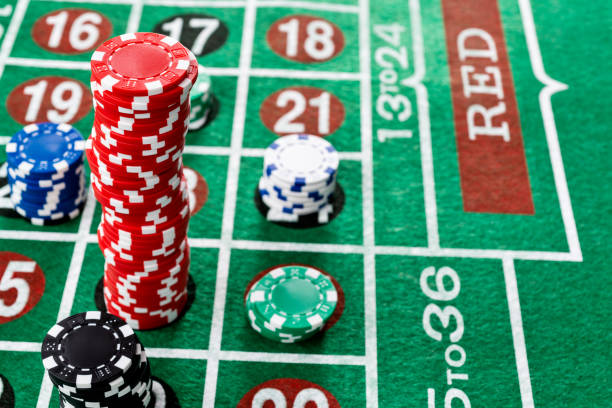
Additionally, social dynamics in casinos further enhance the experience. Players often engage with others, exchanging stories, tips, and excitement over wins or losses. This social interaction heightens the sense of community, creating pressure to conform to group behaviors, which can include taking higher risks. In this setting, the combined effects of a stimulating environment and social influence create an intoxicating atmosphere that continually draws individuals back for more. The community aspect of gambling can often mask the risks involved, making it seem more acceptable and enticing.
The emotional rollercoaster of gambling
The emotional experience of gambling can fluctuate dramatically, making it a unique psychological journey. For many players, the excitement of a potential win is coupled with the anxiety of loss, creating a high-stakes emotional rollercoaster. Winning can lead to intense feelings of euphoria, while losses can drive feelings of frustration or despair. This volatility pulls players deeper into the gambling world—each high urging them to chase the next thrill. The emotional highs associated with wins can create a strong desire to continue gambling, often leading to a cycle of repeated behavior.
Moreover, the concept of loss aversion plays a significant role in a gambler’s psychology. Players may chase losses, believing they need to recover what they have lost, and this often leads to further risk-taking. The desire to break even can cloud judgment, as individuals find themselves caught in a cycle of escalating bets. Understanding these emotional triggers can shed light on why people find themselves returning to casinos despite negative experiences. The emotional stakes are high, and each loss can feel like a personal failure, driving players to gamble more in hopes of redemption.
Additionally, many gamblers often employ coping mechanisms to deal with wins and losses. Some may indulge in celebratory rituals after a win, while others might rationalize their losses through self-justification. This emotional complexity adds depth to the gambling experience, as it intertwines the highs and lows of human behavior. The way individuals process these emotions can have significant implications for their gambling habits and overall psychological well-being. Recognizing these patterns can be crucial for individuals seeking to understand their own gambling behaviors.
The impact of cognitive biases
Cognitive biases are significant factors influencing the decision-making processes of gamblers. One of the most pervasive biases is the illusion of control, where players believe they can influence the outcome of a game, despite it being purely random. This belief can lead to overconfidence and an increase in risk-taking behavior, as players take unnecessary chances based on misguided perceptions of skill. Such biases highlight how the mind can shape the gambling experience, often leading to detrimental financial choices. By misunderstanding the nature of chance, players may continue to engage in risky behavior.
Another well-documented cognitive bias in gambling is the confirmation bias, where players tend to remember wins more than losses. This selective memory reinforces the idea that they are more successful than they actually are, encouraging persistent gambling despite evidence to the contrary. Gamblers may interpret short-term wins as a validation of their strategies, leading them to ignore the long-term reality of their losses. As a result, these cognitive distortions can create a dangerous cycle that perpetuates risk-taking behavior. Being aware of these biases can help individuals reassess their gambling strategies and make more informed choices.
Understanding cognitive biases is essential for gamblers and those who care for them. Awareness of these psychological traps can encourage more rational decision-making and help individuals develop healthier gambling habits. Resources such as counseling and educational programs can provide insights into how to recognize and combat these biases, allowing players to make more informed choices when it comes to gambling. Adopting a more analytical approach can lead to improved outcomes and a better understanding of the gambling landscape.
Exploring responsible gambling and resources
The rise of gambling opportunities brings with it the vital need for responsible gambling practices. Recognizing the psychological aspects of risk-taking, it becomes imperative to create environments that promote healthy habits. Many casinos and online platforms are beginning to implement measures to encourage responsible play, such as self-exclusion programs, spending limits, and educational resources. These initiatives aim to equip players with the knowledge and tools to engage in gambling in a more mindful way. By prioritizing player well-being, the industry can foster a safer gambling environment.
Furthermore, numerous organizations provide support for individuals struggling with gambling addiction. These groups offer resources such as counseling, support groups, and educational materials to help individuals understand their behaviors and find healthier alternatives. By focusing on the psychological factors that contribute to gambling addiction, these organizations work to address the root causes and promote recovery. Such resources are crucial for fostering a healthier gambling culture and ensuring that individuals have access to the help they need.
In conclusion, understanding the psychology of risk in gambling is essential for both players and the industry. By addressing the emotional highs and lows, cognitive biases, and the influence of the casino environment, individuals can approach gambling with a more informed mindset. Emphasizing responsible practices and providing access to support resources can lead to better outcomes for those who choose to play, ensuring that gambling remains a form of entertainment rather than a harmful habit. Ultimately, a well-rounded understanding of these psychological factors can help create a more balanced relationship with gambling.
The allure of risk-taking
Risk-taking behavior is often seen as an inherent part of human nature. Engaging in activities that have uncertain outcomes can provide exhilarating feelings and a sense of vitality. In casinos, the environment is uniquely designed to amplify these sensations, from the vibrant lights to the sounds of spinning slots. The psychological thrill that comes from risking money is not just about the potential rewards; it is also about the excitement of the unknown, especially when players enjoy options like casino online experiences that can be incredibly captivating. This allure draws individuals in, making them want to test their luck and judgment.
When individuals enter a casino, they often find themselves in a realm where the normal constraints of everyday life seem to fade away. This space encourages participants to step out of their comfort zones, inviting them to embrace uncertainty. The social aspects of risk-taking—sharing experiences with friends or strangers—further enhance the enjoyment of engaging in gambling activities. In this way, casinos serve as a playground for risk enthusiasts, making the act of playing both exhilarating and addictive. The combination of personal thrill and social interaction creates a compelling experience that is hard to resist.
Moreover, the psychology behind risk-taking encompasses not only adrenaline-seeking but also cognitive biases. For instance, many players fall prey to the ‘gambler’s fallacy,’ where they believe that past outcomes will influence future ones. This belief often leads them to continue playing, driven by the hope that a win is just around the corner. This interplay of emotions, social interactions, and cognitive distortions contributes to why people are drawn to casinos and the risk they entail. Understanding these psychological mechanisms is vital for recognizing the deeper reasons behind our attraction to gambling.
The role of environment in gambling
The environment within a casino plays a pivotal role in influencing behavior and encouraging risk-taking. Casinos are designed to stimulate the senses—bright lights, enticing sounds, and plush surroundings create a captivating atmosphere. These design elements are not mere aesthetics; they are strategically employed to keep players engaged and immersed in the experience. Studies have shown that such sensory stimulation can trigger the release of dopamine, a neurotransmitter associated with pleasure and reward, making gamblers more likely to take risks. The casino’s atmosphere is meticulously crafted to heighten excitement and prolong player engagement.
Furthermore, the layout of a casino promotes exploration and spontaneous decision-making. By placing games, bars, and restaurants close together, players are encouraged to move freely and try different forms of gambling. This design can lead to impulsive behavior, as individuals may find themselves drawn into games they hadn’t planned to play. The feeling of being in a lively atmosphere, coupled with the potential for high rewards, can amplify the desire to take risks. Such an environment not only enhances the gambling experience but also makes it easier for players to lose track of time and money.
Additionally, social dynamics in casinos further enhance the experience. Players often engage with others, exchanging stories, tips, and excitement over wins or losses. This social interaction heightens the sense of community, creating pressure to conform to group behaviors, which can include taking higher risks. In this setting, the combined effects of a stimulating environment and social influence create an intoxicating atmosphere that continually draws individuals back for more. The community aspect of gambling can often mask the risks involved, making it seem more acceptable and enticing.
The emotional rollercoaster of gambling
The emotional experience of gambling can fluctuate dramatically, making it a unique psychological journey. For many players, the excitement of a potential win is coupled with the anxiety of loss, creating a high-stakes emotional rollercoaster. Winning can lead to intense feelings of euphoria, while losses can drive feelings of frustration or despair. This volatility pulls players deeper into the gambling world—each high urging them to chase the next thrill. The emotional highs associated with wins can create a strong desire to continue gambling, often leading to a cycle of repeated behavior.
Moreover, the concept of loss aversion plays a significant role in a gambler’s psychology. Players may chase losses, believing they need to recover what they have lost, and this often leads to further risk-taking. The desire to break even can cloud judgment, as individuals find themselves caught in a cycle of escalating bets. Understanding these emotional triggers can shed light on why people find themselves returning to casinos despite negative experiences. The emotional stakes are high, and each loss can feel like a personal failure, driving players to gamble more in hopes of redemption.
Additionally, many gamblers often employ coping mechanisms to deal with wins and losses. Some may indulge in celebratory rituals after a win, while others might rationalize their losses through self-justification. This emotional complexity adds depth to the gambling experience, as it intertwines the highs and lows of human behavior. The way individuals process these emotions can have significant implications for their gambling habits and overall psychological well-being. Recognizing these patterns can be crucial for individuals seeking to understand their own gambling behaviors.
The impact of cognitive biases
Cognitive biases are significant factors influencing the decision-making processes of gamblers. One of the most pervasive biases is the illusion of control, where players believe they can influence the outcome of a game, despite it being purely random. This belief can lead to overconfidence and an increase in risk-taking behavior, as players take unnecessary chances based on misguided perceptions of skill. Such biases highlight how the mind can shape the gambling experience, often leading to detrimental financial choices. By misunderstanding the nature of chance, players may continue to engage in risky behavior.
Another well-documented cognitive bias in gambling is the confirmation bias, where players tend to remember wins more than losses. This selective memory reinforces the idea that they are more successful than they actually are, encouraging persistent gambling despite evidence to the contrary. Gamblers may interpret short-term wins as a validation of their strategies, leading them to ignore the long-term reality of their losses. As a result, these cognitive distortions can create a dangerous cycle that perpetuates risk-taking behavior. Being aware of these biases can help individuals reassess their gambling strategies and make more informed choices.
Understanding cognitive biases is essential for gamblers and those who care for them. Awareness of these psychological traps can encourage more rational decision-making and help individuals develop healthier gambling habits. Resources such as counseling and educational programs can provide insights into how to recognize and combat these biases, allowing players to make more informed choices when it comes to gambling. Adopting a more analytical approach can lead to improved outcomes and a better understanding of the gambling landscape.
Exploring responsible gambling and resources
The rise of gambling opportunities brings with it the vital need for responsible gambling practices. Recognizing the psychological aspects of risk-taking, it becomes imperative to create environments that promote healthy habits. Many casinos and online platforms are beginning to implement measures to encourage responsible play, such as self-exclusion programs, spending limits, and educational resources. These initiatives aim to equip players with the knowledge and tools to engage in gambling in a more mindful way. By prioritizing player well-being, the industry can foster a safer gambling environment.
Furthermore, numerous organizations provide support for individuals struggling with gambling addiction. These groups offer resources such as counseling, support groups, and educational materials to help individuals understand their behaviors and find healthier alternatives. By focusing on the psychological factors that contribute to gambling addiction, these organizations work to address the root causes and promote recovery. Such resources are crucial for fostering a healthier gambling culture and ensuring that individuals have access to the help they need.
In conclusion, understanding the psychology of risk in gambling is essential for both players and the industry. By addressing the emotional highs and lows, cognitive biases, and the influence of the casino environment, individuals can approach gambling with a more informed mindset. Emphasizing responsible practices and providing access to support resources can lead to better outcomes for those who choose to play, ensuring that gambling remains a form of entertainment rather than a harmful habit. Ultimately, a well-rounded understanding of these psychological factors can help create a more balanced relationship with gambling.
Commentaires récents